

Japanese rope terminology
Nawa (縄)
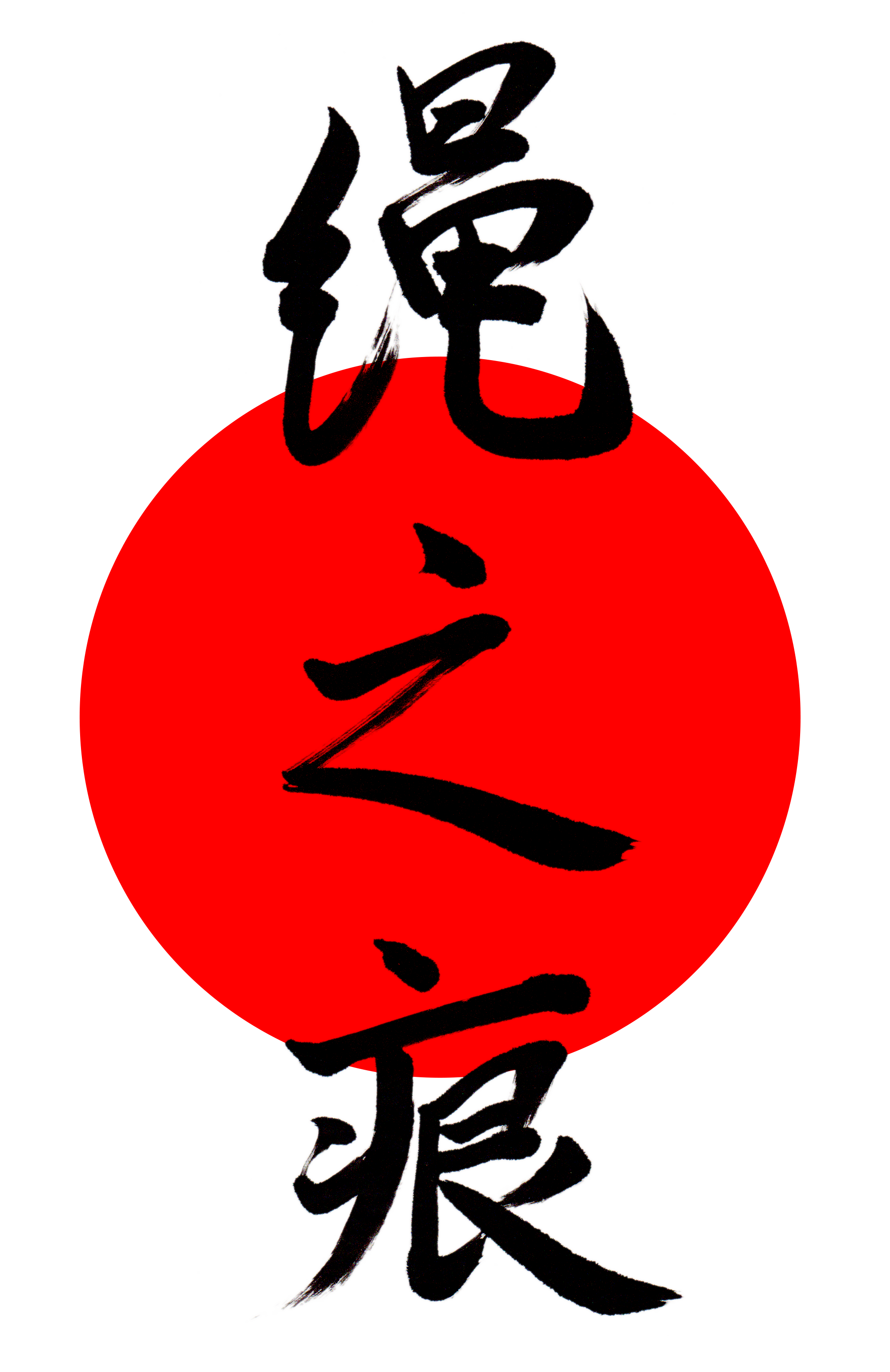
Nawa (縄) is the Japanese word for rope. It is a basic term that appears throughout Japanese rope vocabulary and in many terms used in kinbaku.
On its own, nawa simply refers to rope. Its more specific meaning comes from the word or concept placed before it, such as asanawa, munenawa or koshinawa.
Japanese: 縄
Reading: nawa
Meaning: rope
Older character form: 繩
Meaning and usage
Nawa is an ordinary Japanese word for rope and is not inherently a kinbaku term.
Within kinbaku, however, it becomes an important base word because it appears in many terms that describe the material, position, purpose or character of the rope being used.
The word itself does not specify what the rope is made from, where it is placed or how it is used. Those distinctions are usually supplied by another word placed before nawa.
Nawa-based rope vocabulary
These terms form a vocabulary cluster: they all contain nawa, but they describe different materials, positions or rope concepts. They are related linguistically rather than forming a strict technical classification.
Asanawa (麻縄)
Natural-fibre rope used in kinbaku, commonly jute. The term is often translated literally as “hemp rope,” but in modern Japanese rope practice it does not necessarily mean rope made from true hemp.
Honnawa (本縄)
A term built with hon and nawa. Depending on context, it can carry the sense of genuine, proper or real rope.
Matanawa
A rope-related term built with nawa. Its specific meaning comes from the full term rather than from nawa alone.
Munenawa (胸縄)
Chest rope or chest binding. Mune means chest.
Koshinawa (腰縄)
Waist rope. Koshi refers to the waist or hip area.
Related


Leave A Comment