

Japanese rope terminology
Asanawa (麻縄)
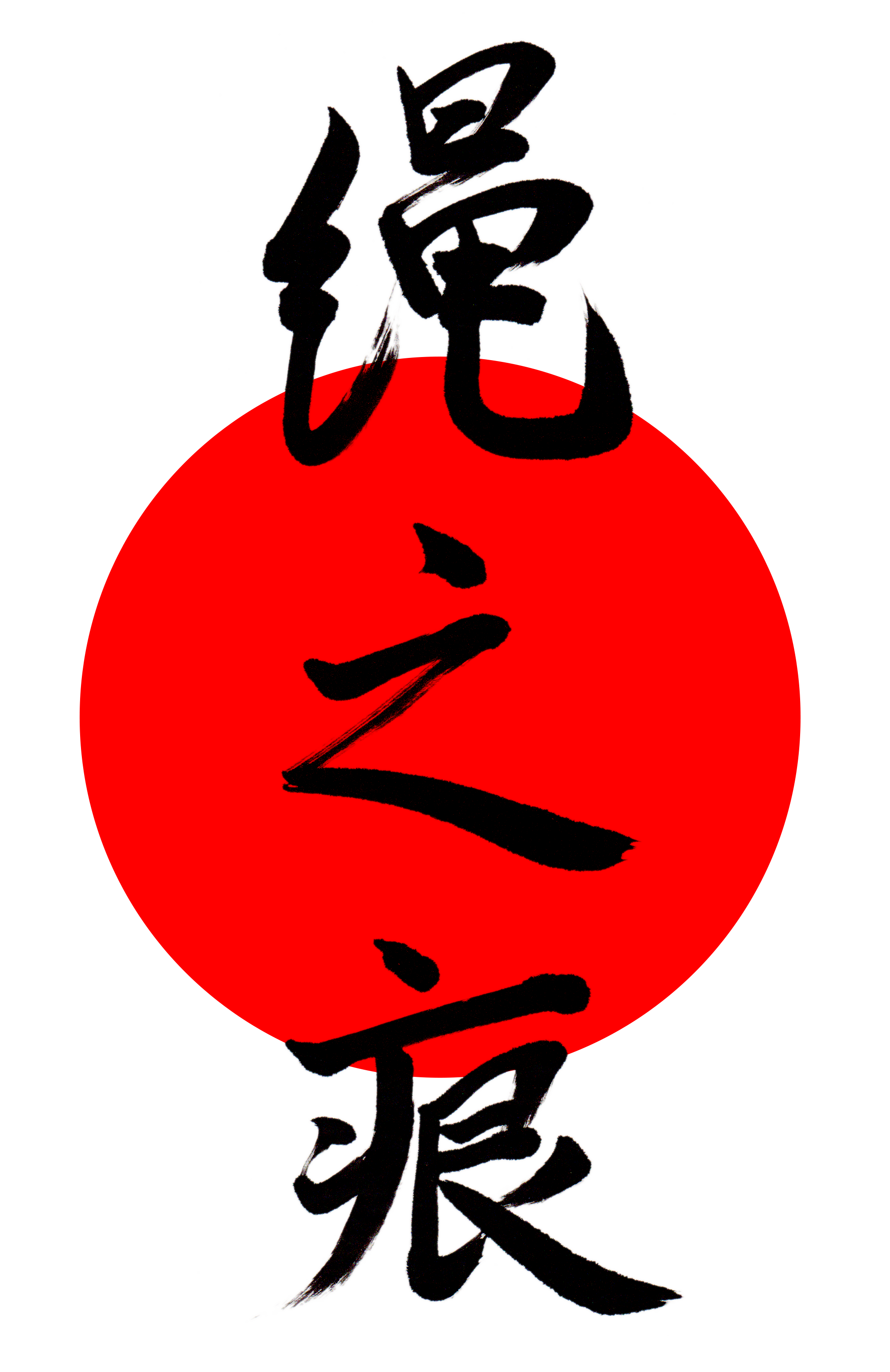
Asanawa (麻縄) means rope made from asa (麻) fibre. In kinbaku, this includes jute and hemp rope. The term alone does not identify the exact fibre.
Japanese: 麻縄
Reading: asanawa (あさなわ)
Asa (麻): hemp, or a broader group of plant fibres depending on context
Nawa (縄): rope

Asanawa, asa and nawa
Nawa (縄) is the general word for rope. Asanawa (麻縄) adds information about its material, rather than naming a tie or a particular way of tying.
Asa (麻) can refer specifically to hemp, but also has a broader fibre meaning that includes jute, flax and ramie. It is not a catch-all term for every natural fibre.
Hemp and jute are different fibres. Japanese has distinct terms for them, even though both may fall under the broader term asa. Jute is called ジュート (jūto) or 黄麻 (kōma); hemp is 大麻 (taima).
When choosing rope, check the stated fibre rather than relying on the word asanawa alone.
Asanawa used for kinbaku
In kinbaku, asanawa describes the rope material, not a fixed length, diameter or preparation method.
Lengths around 7–9 metres and diameters around 5–6 mm are examples of sizes used for kinbaku. Many other sizes are used, depending on the practitioner and the intended use.
A knot is often tied at each end, creating small “buttons” that help keep the rope ends from slipping through the hands or through a tie.
Different practitioners use different methods to prepare and maintain their rope. These methods affect how the rope feels and handles, but are not part of the meaning of asanawa.
Related
Sources
Kotobank: 麻縄 for the Japanese definition;
Japan Asa Spinning Association: fibre types for the distinction between hemp, jute, flax and ramie; and
Nawaya for contemporary use of asanawa for jute kinbaku rope.


Leave A Comment