

Japanese rope terminology
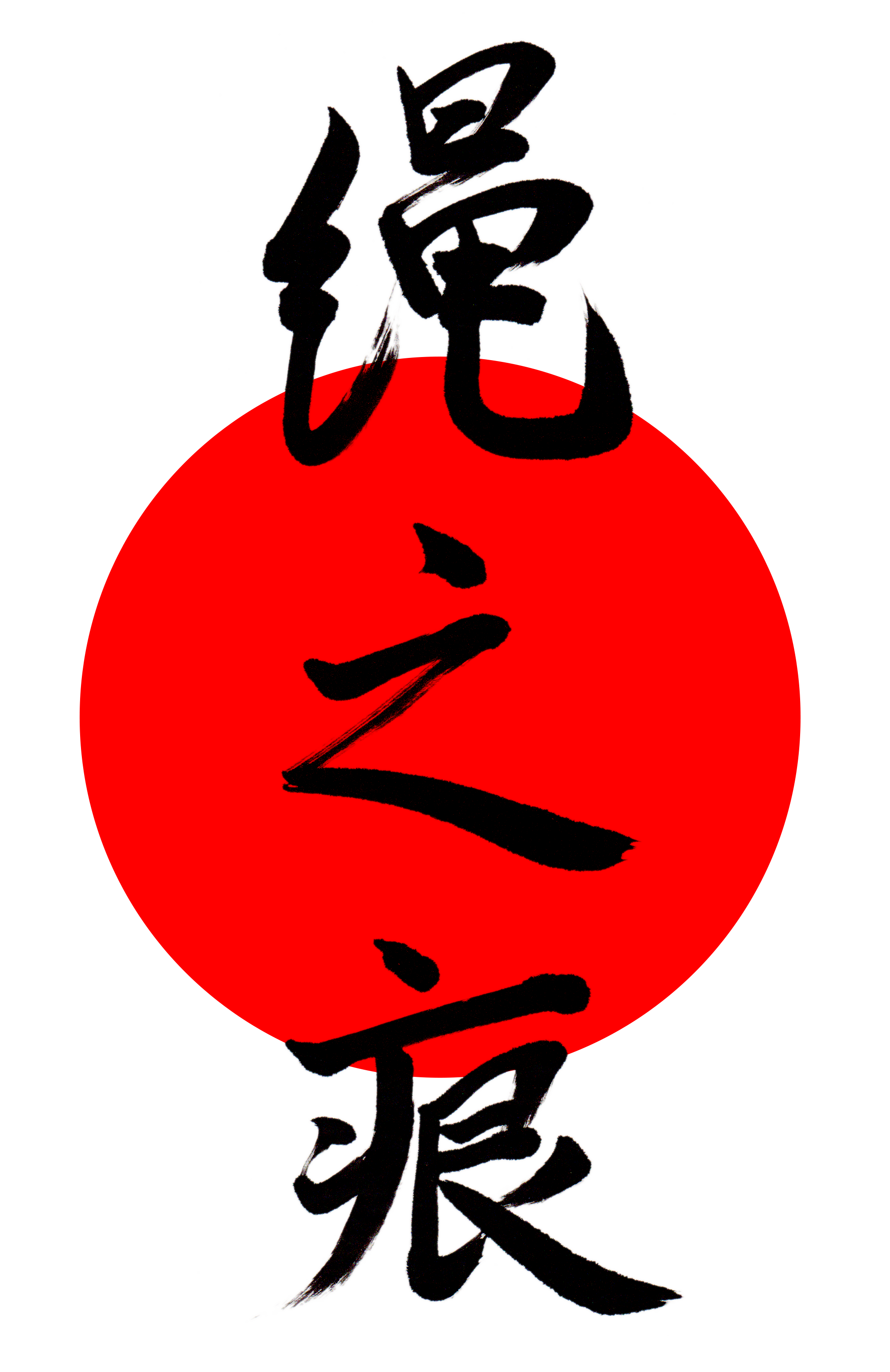
Honnawa (本縄)
Honnawa (本縄) refers to formal rope binding in the context of Japanese prisoner restraint and hojōjutsu. It is commonly contrasted with hayanawa, the rapid restraint used when capturing someone.
Japanese: 本縄
Reading: honnawa (ほんなわ)
Hon (本): main or principal
Nawa (縄): rope
“Main rope” is a literal gloss. “Formal binding” better conveys the established meaning in this context.
Historical meaning
Japanese dictionaries define honnawa as binding a prisoner by a formal method, or the method of applying that rope.
In descriptions of hojōjutsu, it is distinguished from the quicker restraint used during capture. Kinbaku-Academy describes honnawa as more elaborate tying carried out after the person has been brought to a secure location.
Historical accounts describe different binding methods according to status, sex and circumstances. This does not establish one universal pattern system across all schools or periods.
Usage in contemporary kinbaku
The term also appears in contemporary kinbaku teaching, but its usage is not uniform.
The Japanese teaching glossary Shibaraku-shiki notes that honnawa is sometimes used for more complex tying with roughly three or more ropes, in contrast with shorter hayanawa sequences. The school explicitly cautions that its definitions are not necessarily shared by all practitioners.
A rope count is therefore a teaching convention, not a universal definition of honnawa. The historical meaning should be distinguished from a particular teacher’s modern usage.
Honnawa, hayanawa, hojōjutsu and nawa
Honnawa (本縄): formal binding in historical prisoner-restraint terminology; also used in some contemporary teaching for more elaborate tying.
Hayanawa (早縄): rope or binding used for rapid capture and restraint.
Hojōjutsu (捕縄術): the broader art of capturing and restraining people with rope, within which this distinction is discussed.
Nawa (縄): rope. In compounds such as honnawa, the meaning can extend to the binding method rather than referring only to a physical piece of rope.
Sources
Kotobank: 本縄 for the established Japanese meaning;
Kinbaku-Academy: Hojōjutsu #1 for the distinction between capture and subsequent binding; and
Shibaraku-shiki: 早縄 for a contemporary teaching convention and its limits.


Leave A Comment