

Japanese rope terminology
Koshi nawa (腰縄)
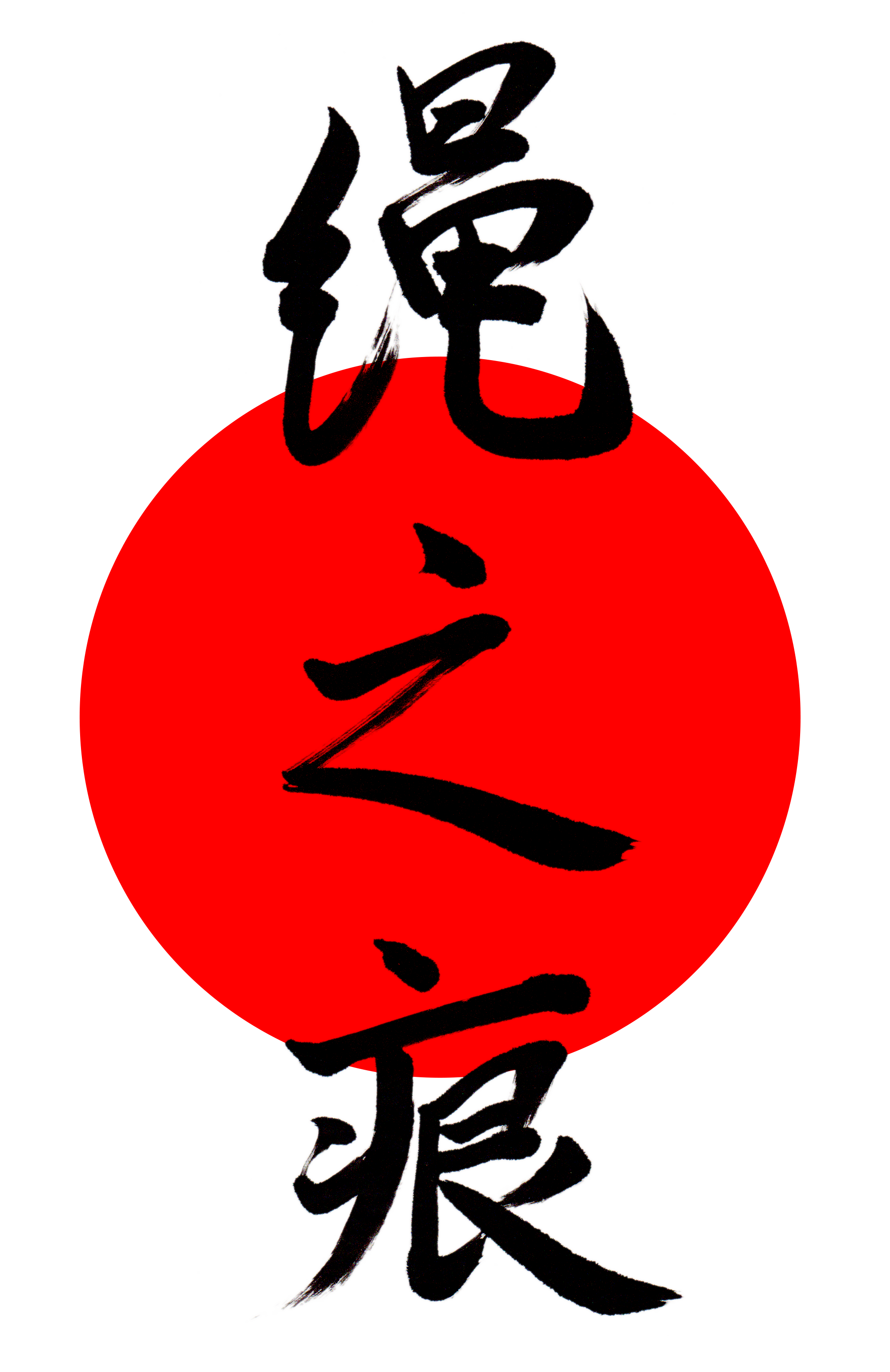
Koshi nawa (腰縄), also written koshinawa, means “hip rope” or “waist rope.” In kinbaku and shibari, it describes rope tied around the hip or waist region, including structures used to support the hips during suspension.
Japanese: 腰縄
Reading: koshi nawa / koshinawa (こしなわ)
Koshi (腰): waist, hips or lower-back region, depending on context
Nawa (縄): rope
The name identifies the body region, rather than one fixed knot or complete harness.
Meaning and use in kinbaku
In kinbaku terminology, koshinawa is commonly described as rope around the hips. Suspension support is one application, not the whole meaning of the term.
The Japanese word koshi refers to the region of the pelvis and lower back. It does not map neatly to only one of the English words “hips,” “waist” or “lower back.” The intended placement matters when describing a particular tie.
Outside kinbaku, Japanese dictionaries also record koshinawa as rope carried at the waist, and as rope or restraint applied at a prisoner’s waist during escort. These meanings should be distinguished from a contemporary kinbaku harness.
Koshi nawa, dō nawa, matanawa and nawa
Koshi nawa (腰縄)
Hip or waist rope. In contemporary teaching, often used for rope around the hips.
Dō nawa (胴縄)
Torso rope. Some teaching distinguishes it as rope around the upper waist, below the ribs, while reserving koshinawa for the hips.
Matanawa (股縄)
Crotch rope. It names rope passing through or over the crotch area, rather than rope encircling the hip or waist region.
Nawa (縄)
The general word for rope.
The distinction between koshinawa and dō nawa is useful, but should not be assumed to be identical across all teachers. Describe the actual placement and structure when precision matters.
Sources
Kotobank: 腰 for the Japanese body term;
Kotobank: 腰縄 for its wider Japanese meanings.


Leave A Comment