

Japanese rope terminology
Mune nawa (胸縄)
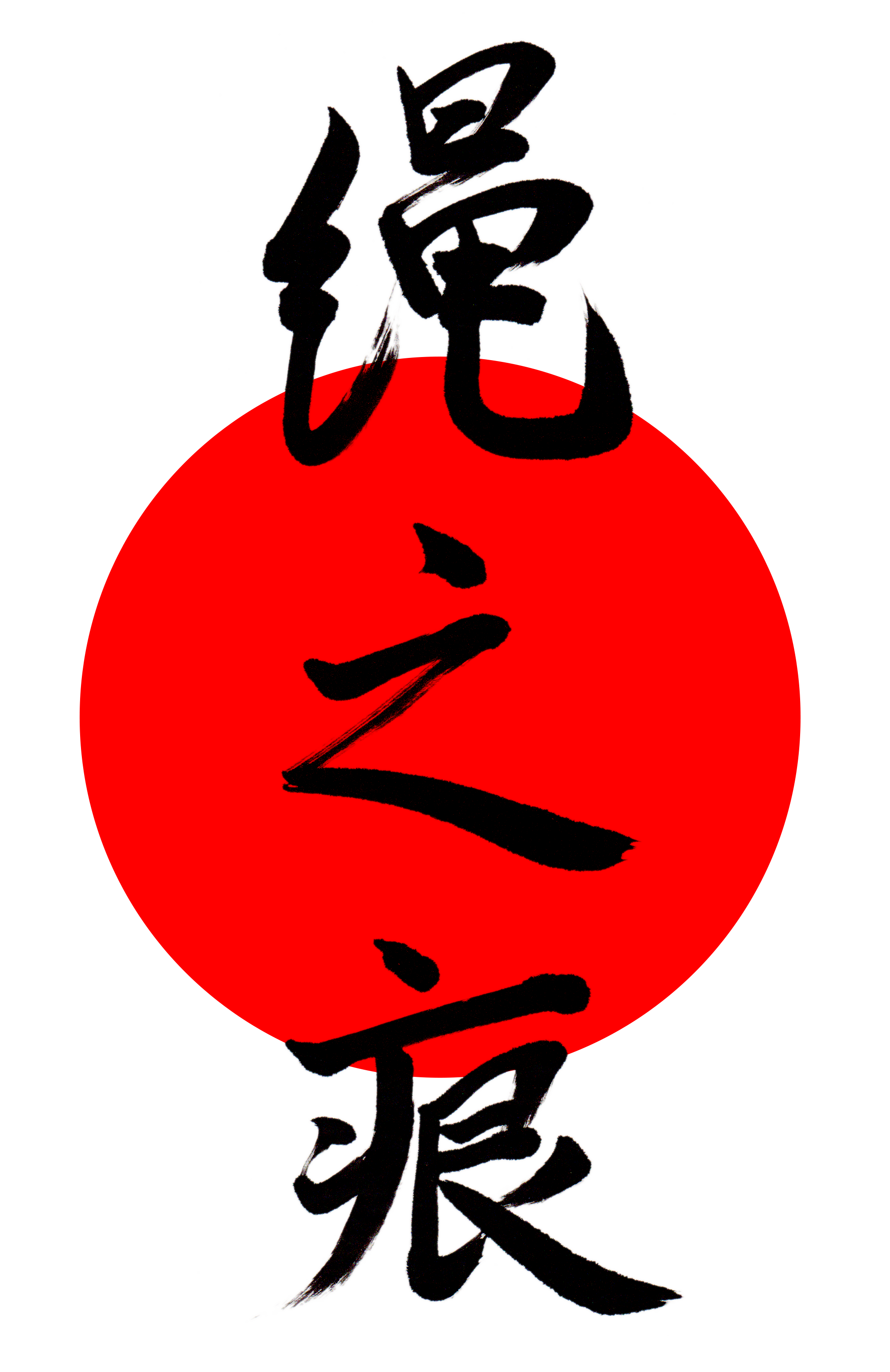
Mune nawa (胸縄), also written munenawa, means “chest rope.” In kinbaku and shibari, it describes rope applied to the chest or a chest tie, rather than one fixed pattern.
Japanese: 胸縄
Reading: mune nawa / munenawa (むねなわ)
Mune (胸): chest; also breast, depending on context
Nawa (縄): rope
The term does not by itself specify a V-shaped pattern or require the hands to be included in the tie.

Chest rope, not one fixed pattern
Mune nawa identifies the chest as the area being tied. It can describe a chest harness or the chest-rope element within a larger tie.
Some contemporary teaching uses munenawa specifically for a chest harness that leaves the arms free. Other descriptions use it more broadly for chest tying. When a particular structure matters, describe the pattern and the position of the arms as well as naming the tie.
The Japanese word mune can refer to the chest generally or to the breasts. “Chest rope” is therefore a useful general translation; “breast rope” is more specific to the context.
Mune nawa, takatekote, muneue and muneshita
Mune nawa (胸縄)
Chest rope or chest tying. The term alone does not identify one complete pattern.
Takatekote (高手小手)
An established term for binding the arms and hands behind the back, also used for modern upper-body ties. Chest rope may be part of such a tie, but mune nawa and takatekote should not be treated as universal synonyms.
Muneue (胸上)
In contemporary rope terminology, the upper chest band of a chest harness.
Muneshita (胸下)
In contemporary rope terminology, the lower chest band of a chest harness.
Muneue and muneshita identify parts of a harness rather than a complete tie.
Related
Nawa · Takatekote · Matanawa · Koshi nawa
Sources
Kotobank: 胸 for the Japanese meanings of mune.


Leave A Comment