Glossary

16 07 2018

Shibaru

By |2018-07-16T08:41:37+02:0016th July 2018|0 Comments

Japanese: 縛る Tie or bind with a rope.

16 07 2018

Shikominawa

By |2018-07-16T08:42:44+02:0016th July 2018|0 Comments

The rope used as anchorpoint for a tsuri. This rope is attached to the ceiling and lowered for attaching the nawa zuri('s). Also known as "Tsuri shiro" (suspension castle/fort).

6 08 2018

Shimenawa

By |2020-07-22T15:46:00+02:006th August 2018|0 Comments

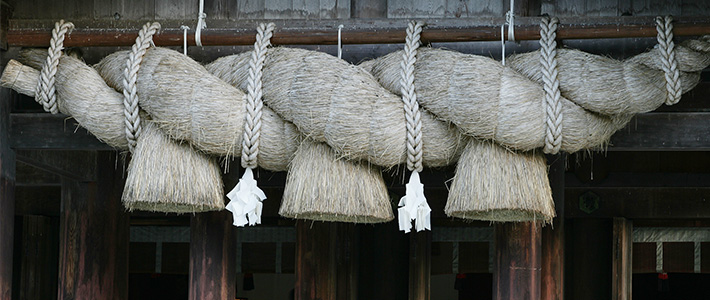
Japanese: 標縄  "Enclosing rope". Shimenawa are lengths of laid rice straw or hemp rope used for ritual purification in the Shinto religion. They can vary in diameter from a few centimeters [...]

16 07 2018

Shinju

By |2025-03-30T10:47:01+02:0016th July 2018|0 Comments

Japanese: 真珠 Pearl. Shinju is used to refer euphemistically to the nipple.

16 07 2018

Shokunin

By |2018-07-16T08:44:38+02:0016th July 2018|0 Comments

Literally translated, “shokunin” are artists and craftsman who feel a deep obligation to ensure the best possible work. However this does not express the deeper, cultural, meaning. Some keywords that [...]

16 07 2018

Shūchi nawa

By |2025-03-30T10:50:21+02:0016th July 2018|0 Comments

Japanese: 羞恥縄 Shūchi / Shuuchi (羞恥): Shame / Embarrassment Nawa (縄): Rope   This term is difficult to translate to a concrete, absolute, Western definition, as are many other Japanese [...]

14 03 2025

Soroban

By |2025-03-14T15:51:37+01:0014th March 2025|0 Comments

Japanese: 算盤 A wooden board with triangular shaped "blocks". Often used for "ishidaki"   See also: Ishidaki

16 07 2018

Suruga-doi shibari

By |2018-07-16T08:46:34+02:0016th July 2018|0 Comments

Japanese: 駿河問い A torture technique from the 16th-century Tokugawa where the wrists and ankles are closely bound behind the back of the subject, then pulled up, resting the subject on the [...]

23 05 2021

Takatekote

By |2025-08-21T17:30:13+02:0023rd May 2021|0 Comments

Japanese: 高手小手縛り Takate (高手) kote (小手): see below Shibari (縛り): tie   “Takatekote” is a whole word that means “binding the arms behind the back”. I specifically mention “whole [...]

Go to Top