


What makes kinbaku playful or dirty?
I don’t think it is the tie.
You can tie exactly the same thing and make it caring, funny, sexual, controlling, frustrating, painful or (very) intimate. The rope gives you a structure, but what happens inside that structure depends on what you do with it. How do you touch and move the person you are tying? When do you pull? When do you stop? Do you give them space, or take it away? Do you expose them, tease them, make them struggle, make them wait? Do you let them resist, or do you take that option away?
And just as important: how does your partner react to you?
That reaction changes everything.
The same tie can feel completely different depending on timing, pressure, body handling and intention. A pause can sometimes do more than another rope. Moving a body can change the whole mood. A hand in the right place, or deliberately not touching, can suddenly make something very simple feel much more intense.
None of this needs a special “pervy” kinbaku tie.
My point of view is that tying becomes interesting when you already know your rope well enough that the pattern is no longer the main thing you are thinking about. Patterns are useful. They teach us structure, rope handling and ways to control the body. I use them when I teach too. But at some point the pattern should become a tool, not the goal.
Then the question changes.
Instead of asking:
How do I tie this?
You can start asking:
What do I want to do with this person, with this rope, right now?
That is where playful and pervy starts for me.
Playful can be teasing, silly, intimate, frustrating or challenging.
Dirty can be sexual, painful, controlling, exposing, humiliating or very personal.
And sometimes it is several of these things at the same time.
There is no one correct answer.
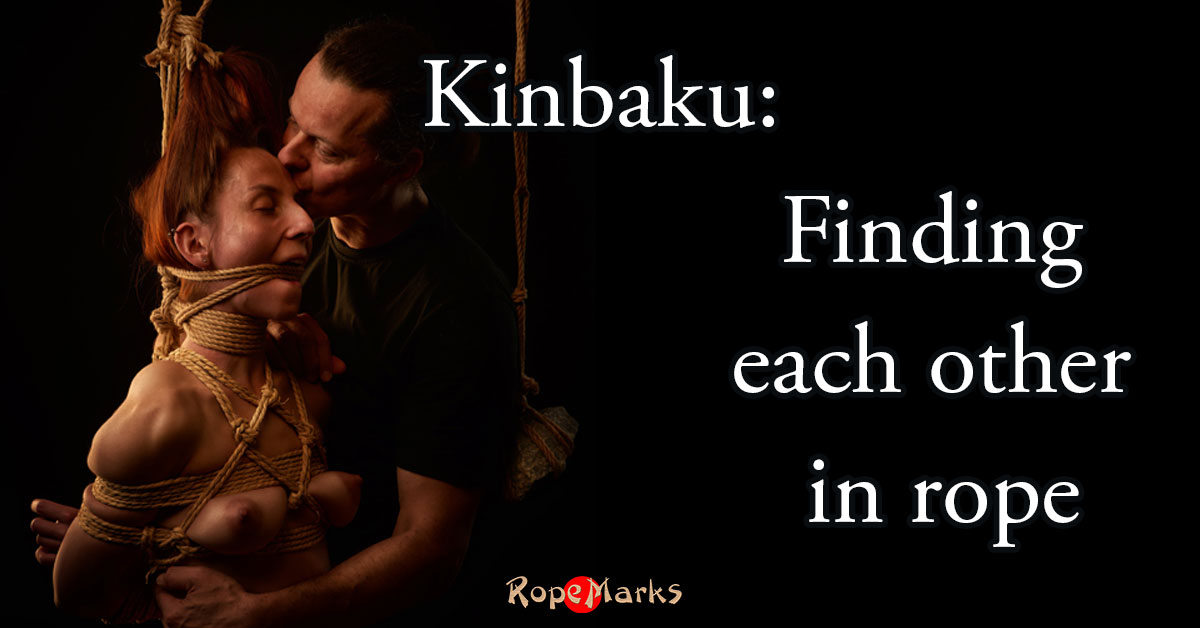
What works between two people depends on their relationship, their mood, what they like, what they trust each other with and what they want to explore in that moment. This is also why I like my partner to be active in rope. Not simply a body that receives a tie, but a person who reacts, softens, challenges, surrenders or submits.
This is when the rope becomes a conversation.
Sometimes that conversation is gentle.
Sometimes it gets a little dirty.
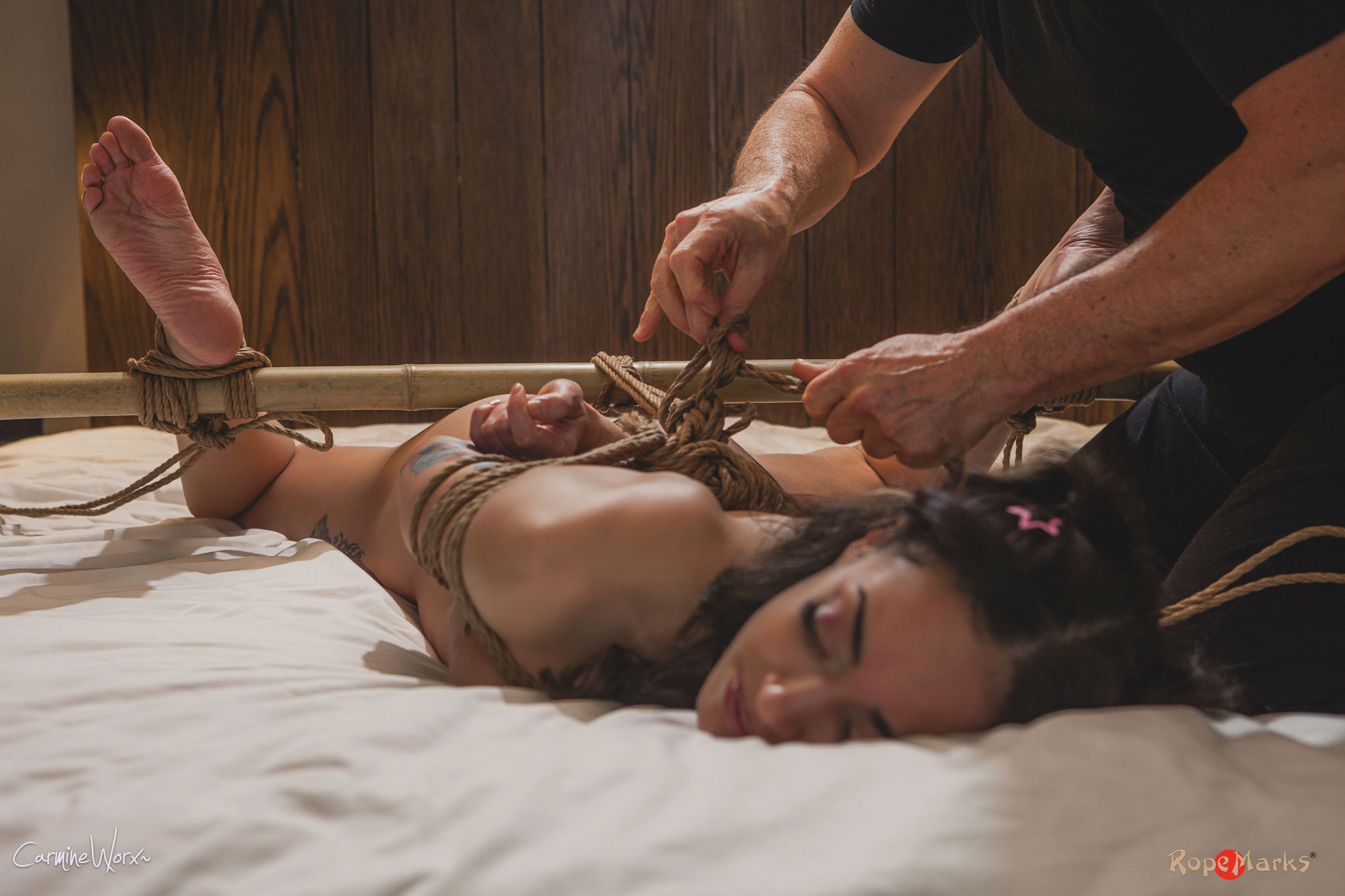
This question is also at the centre of my Playful & Dirty Kinbaku masterclass in Amsterdam on 21 November. During the workshop we start on the floor and later bring in bamboo, suspensions and transitions. But those are still only tools.
The real question throughout the day stays the same:
What can we do with this rope, right now, with this person?




Leave A Comment