

Japanese rope terminology
Seme (責め)
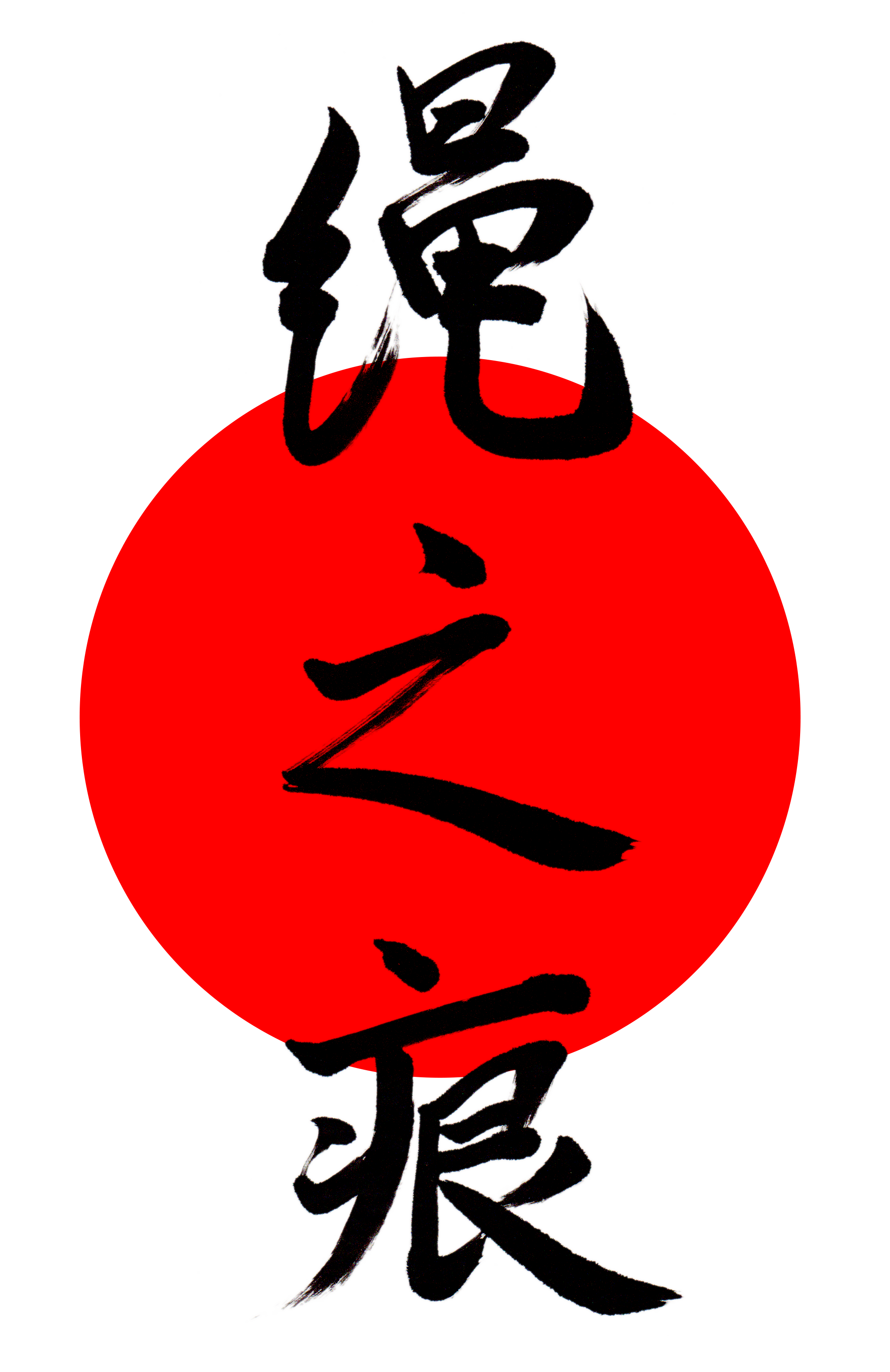
Seme (責め) is a Japanese term associated with pressure, challenge, difficulty or suffering. In kinbaku, it describes a quality of experience rather than one particular rope pattern.
The word can carry stronger meanings in Japanese, including causing mental or physical suffering, but translating it simply as “torture” can make the concept sound more extreme and more literal than it often is in rope practice.
Japanese: 責め
Reading: seme
In kinbaku: pressure, challenge, difficulty or suffering
Seme in kinbaku
In kinbaku, seme is best understood as a quality of pressure or challenge created through the interaction.
Note on seme and uke: Japanese also has 攻め (seme), pronounced the same way, meaning attack or the attacking/offensive side. That is the word commonly contrasted with uke in martial arts and related contexts. It is a different word, with different kanji, from 責め (seme) used in semenawa (責め縄).
That pressure may be physical, psychological or emotional. It can involve discomfort, difficult positioning, anticipation, endurance or the feeling of being tested.
Seme therefore does not require extreme pain, and it is not synonymous with literal torture. Its intensity and character depend on the people involved and the way the rope is used.
Seme, semenawa and aibunawa
These terms form a concept cluster: they describe different qualities or intentions in the rope experience rather than particular rope patterns.
Seme (責め)
The broader concept of pressure, challenge, difficulty or suffering.
Semenawa (責め縄)
Rope through which seme is expressed. It may involve pressure, difficult positions, endurance or other forms of challenge.
Aibunawa (愛撫縄)
“Caressing rope.” Especially associated with Yukimura Haruki and a gentler, attentive and emotionally interactive use of rope. It is often discussed in contrast with semenawa, although the two are not absolute opposites.


Leave A Comment