

Japanese rope terminology
Nawashi (縄師)
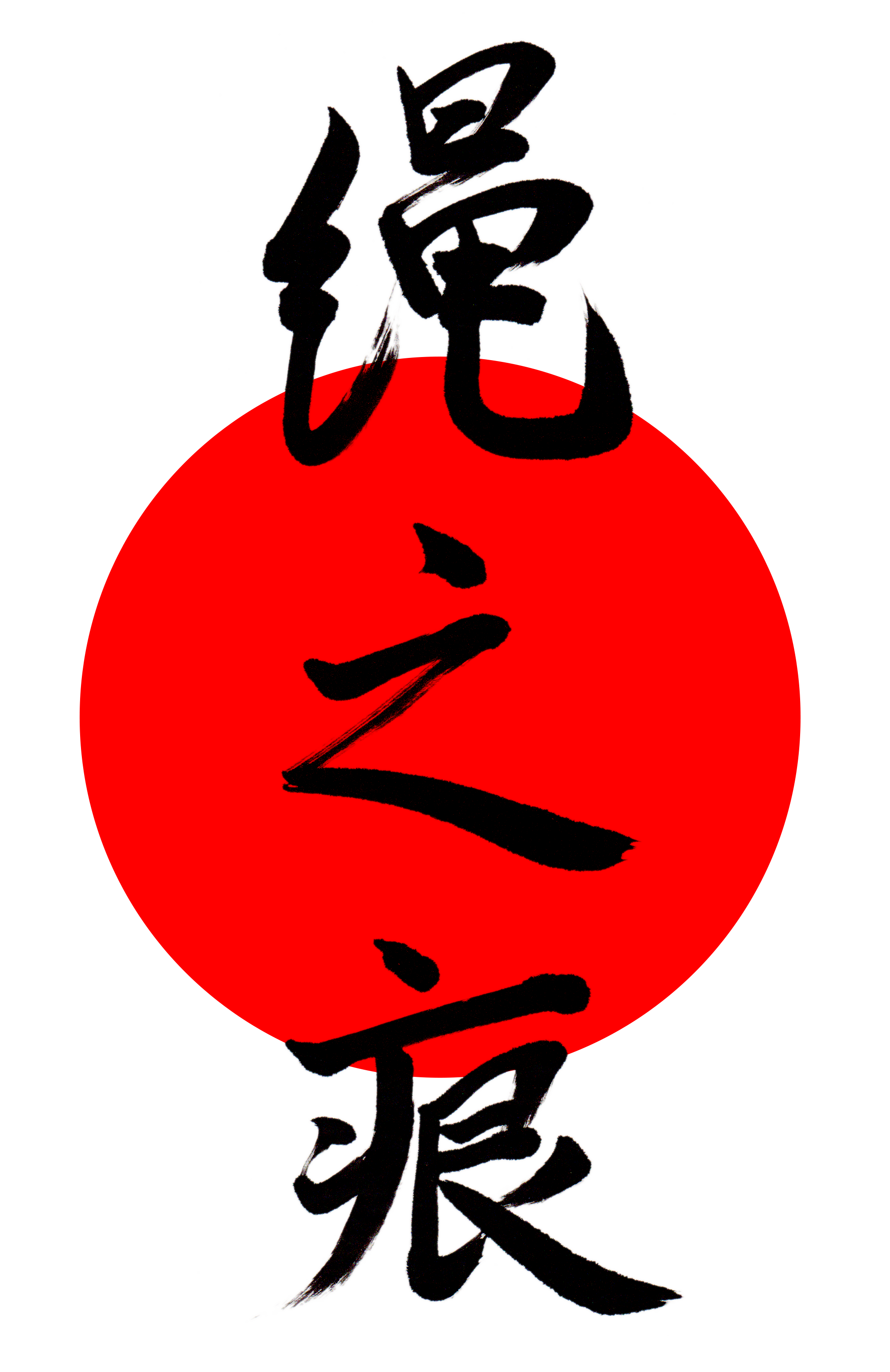
Nawashi (縄師) is a Japanese term for a rope practitioner or rope artist. In Japanese SM and kinbaku contexts, it refers to someone who works skillfully with rope.
The suffix -shi (師) can indicate a skilled practitioner, specialist, teacher or master. As with kinbakushi, the term may carry more weight than simply “someone who ties,” especially when it is used by others to recognise a person’s experience or standing.
Japanese: 縄師
Reading: nawashi
Nawa (縄): rope
Shi (師): practitioner, specialist, teacher or master

Meaning and recognition
The basic meaning of nawashi is a practitioner or artist working with rope. The word itself does not define a formal rank, certification or universal standard.
In some Japanese rope circles, however, -shi can carry a sense of recognised skill, experience or standing. The title may therefore be something attributed to a person by others rather than a label casually claimed for oneself.
“One doesn’t boast about being a ‘shi’. One gets labeled a ‘shi’ because they’ve overcome huge barriers with their own hard work.”
— Mai Randa
Nawashi, kinbakushi and bakushi
These terms form a concept cluster: they are all used for people who tie, but they come from different wording traditions and are not always used in exactly the same way.
Nawashi (縄師)
A rope practitioner or rope artist. The word centres on nawa, rope itself.
Kinbakushi (緊縛師)
A practitioner of kinbaku. The term explicitly connects the practitioner to kinbaku rather than to rope in the broader sense.
Bakushi (縛師)
A shorter term for a bondage or rope practitioner. It overlaps strongly with both nawashi and kinbakushi, but uses the character for binding rather than rope or kinbaku.
RopeMarks
Bob Roos of RopeMarks is recognised within the rope community as a nawashi, a title he uses with pride while recognising the weight the term can carry.
Related


Leave A Comment