

Japanese rope terminology
Takatekote (高手小手)
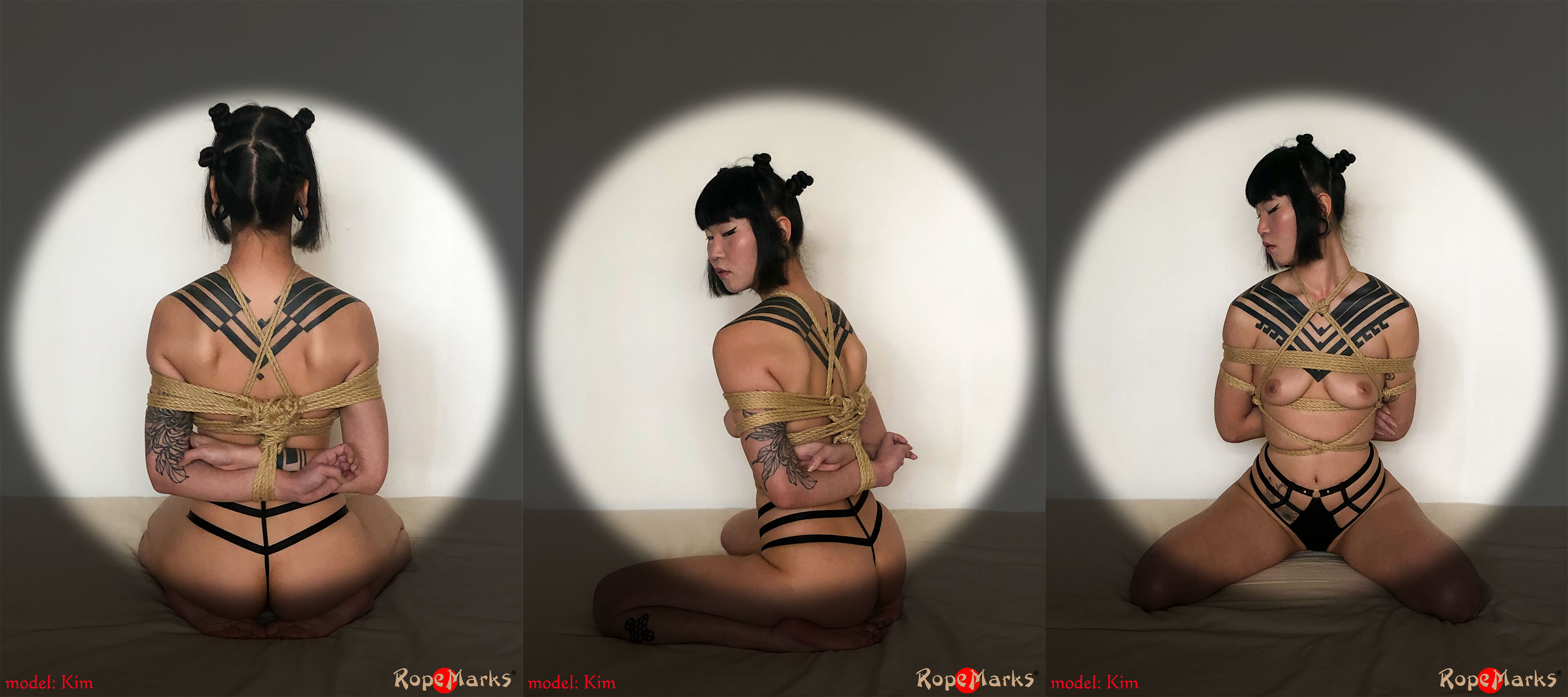
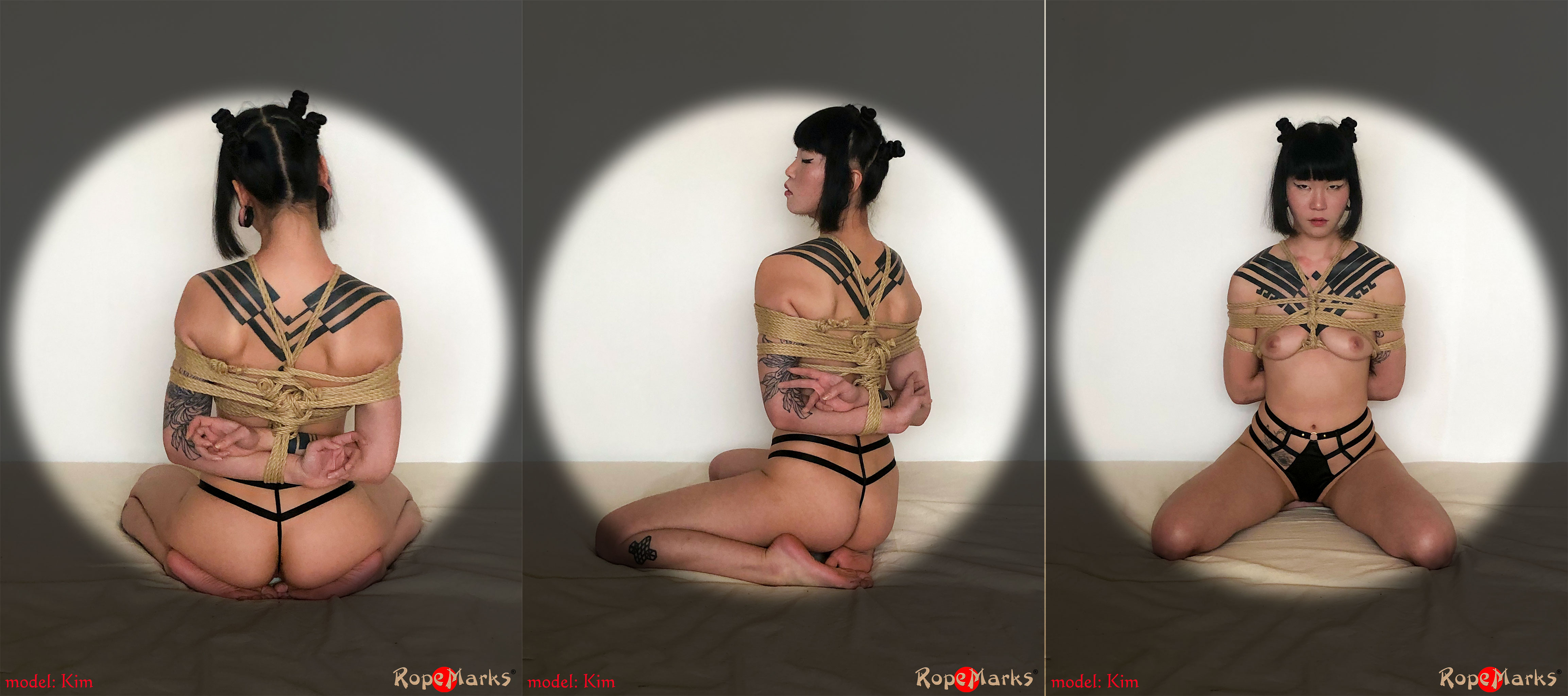
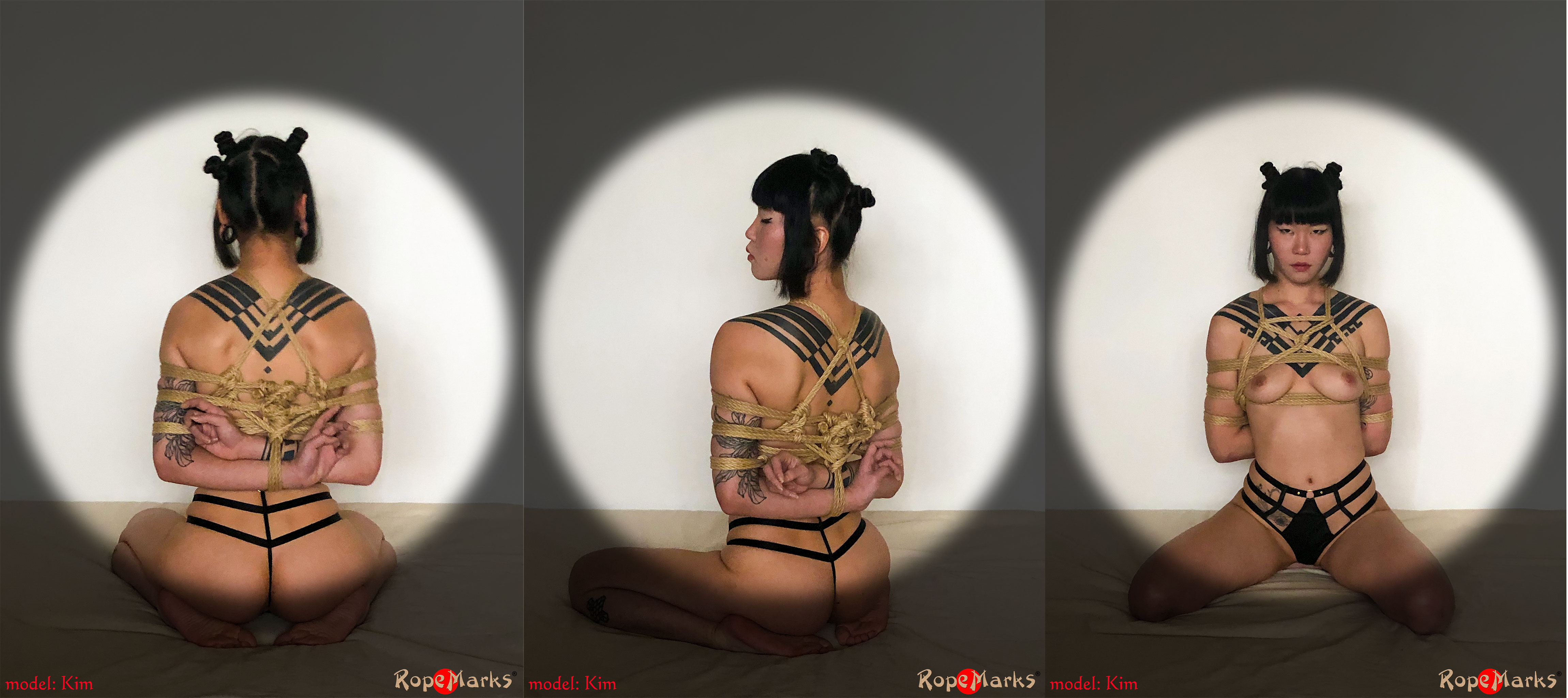
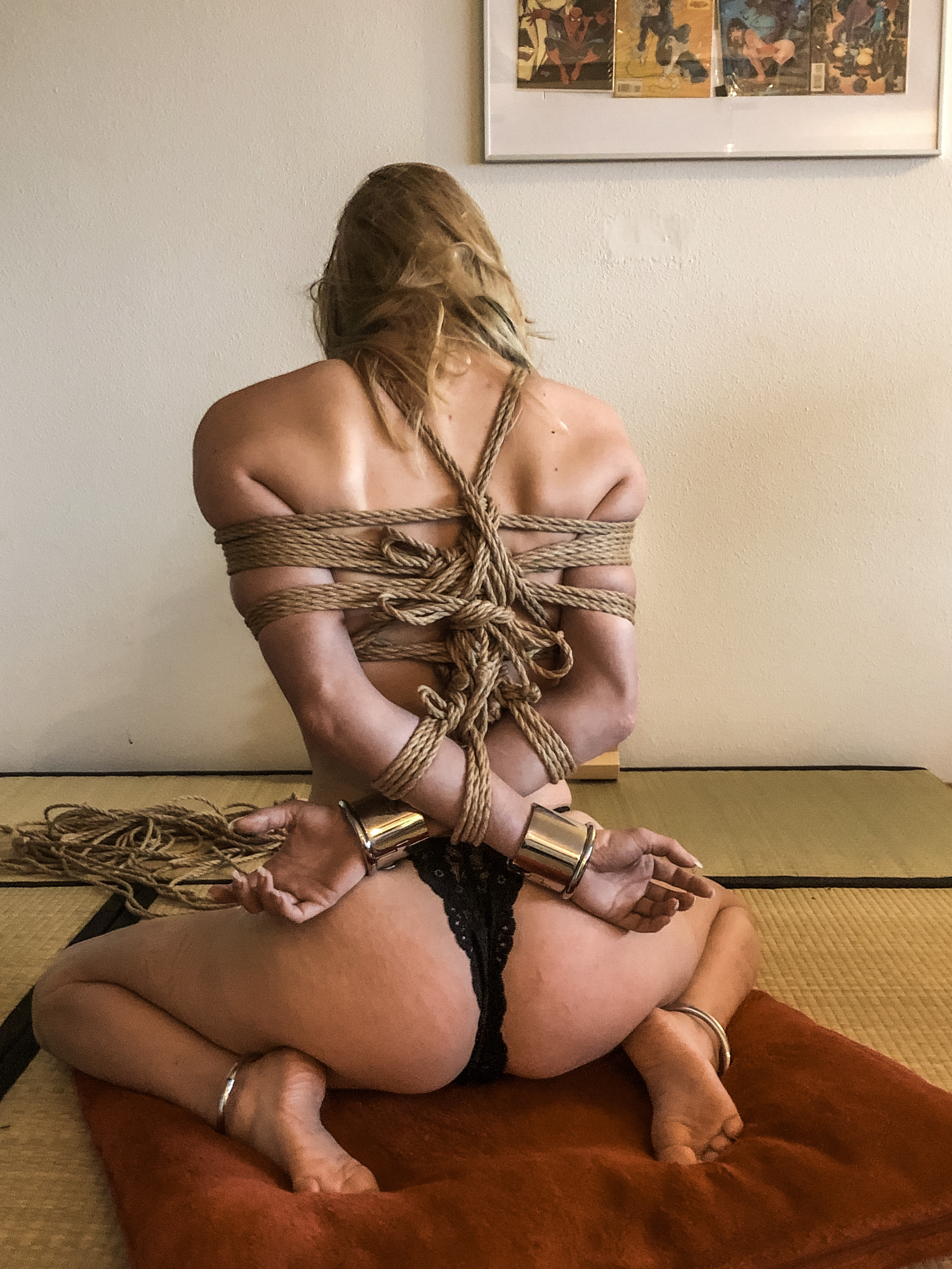
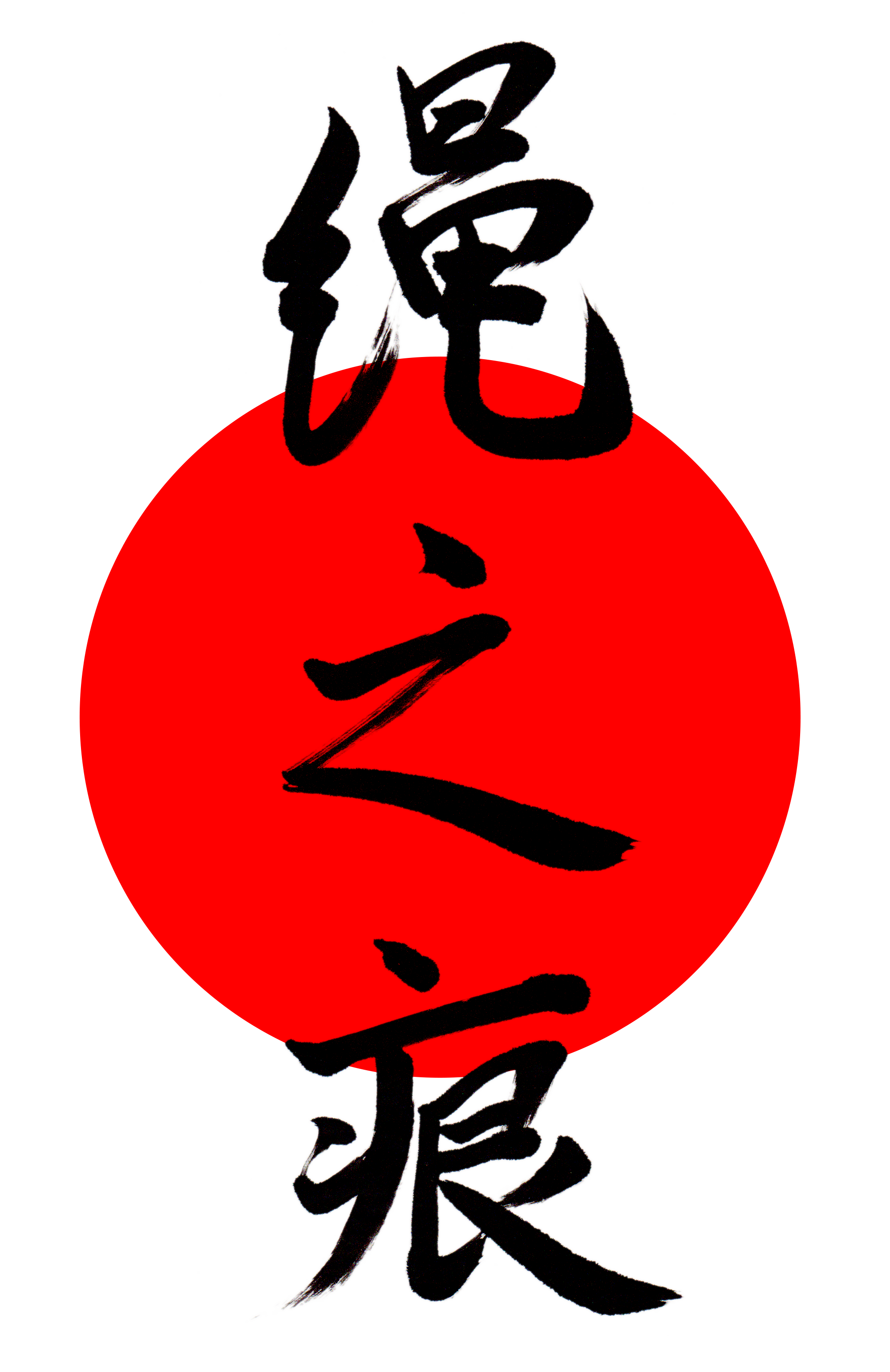
Takatekote (高手小手) is an established Japanese expression for binding the arms and hands behind the back. In modern kinbaku, the term is also commonly used for a family of behind-the-back arm ties, often abbreviated in Western rope communities as TK.
It is useful to treat takatekote as an established compound rather than trying to construct its meaning from modern rope terminology alone.
Japanese: 高手小手
Reading: takatekote
With shibari: 高手小手縛り
Western abbreviation: TK
Within the traditional vocabulary behind the compound, takate (高手) refers to the upper arm, from elbow to shoulder, while kote (小手) refers to the forearm region from wrist to elbow.
Historical meaning
Takatekote is not a term invented by modern kinbaku.
The Seisenban Nihon Kokugo Daijiten records 高手小手 as an established expression describing both hands brought behind the back and bound firmly through the arm and wrist region.
The dictionary records an attested example dated 20 April 1184 in the Kasugasha Records, Nakatomi Sukeshige-ki (春日社記録・中臣祐重記):
「高手小手縛て廻也」
This demonstrates that the expression was already in use centuries before modern erotic rope bondage. It should be understood as an early recorded example, not as evidence that the expression originated in 1184.
Takatekote in modern kinbaku
Modern kinbaku has developed more specific ways of using the term than the older dictionary meaning.
Today, takatekote often refers specifically to a high-hand gote, where the wrists are positioned relatively high behind the back, commonly above the underarms.
This high-hand meaning is best understood as a modern rope convention layered onto the older Japanese expression. It is not the literal linguistic meaning of takatekote.
Some riggers and schools distinguish between a high-hand takatekote, a more horizontal gote, and lower-arm variations such as tei ude. These are practical naming conventions rather than universal definitions and can vary between lineages and practitioners.
The position should also reflect the flexibility and anatomy of the person being tied. A high-hand position is not appropriate or achievable for everyone.
Behind-the-back arm ties and naming conventions
These terms form a concept cluster: they are all encountered around behind-the-back arm ties, but they describe different things and should not automatically be treated as synonyms.
Takatekote (高手小手)
The established Japanese expression, historically referring to binding the arms and hands behind the back. In modern kinbaku it is also used for specific gote structures, particularly high-hand forms.
Gote
A common shorthand in contemporary rope practice for behind-the-back arm ties. Some practitioners use it specifically for a more horizontal arm position, but that is a rope-community convention rather than the literal meaning of takatekote.
Ushirote / Ushirode shibari (後ろ手縛り)
Behind-the-back binding. Ushirote / ushirode refers to the hands or arms being held behind the back. It does not simply mean rope placed “on the back.”
Munenawa (胸縄)
Chest rope or chest binding. Munenawa is frequently part of gote and takatekote structures, but it is not inherently another name for takatekote.
Muneue (胸上) and muneshita (胸下)
Terms used for the upper and lower chest bands respectively. They describe parts of the rope structure rather than the complete takatekote.
TK
The common Western abbreviation for takatekote.
Related


Leave A Comment